Skip to:

How To Save Your Curry From Common Mistakes



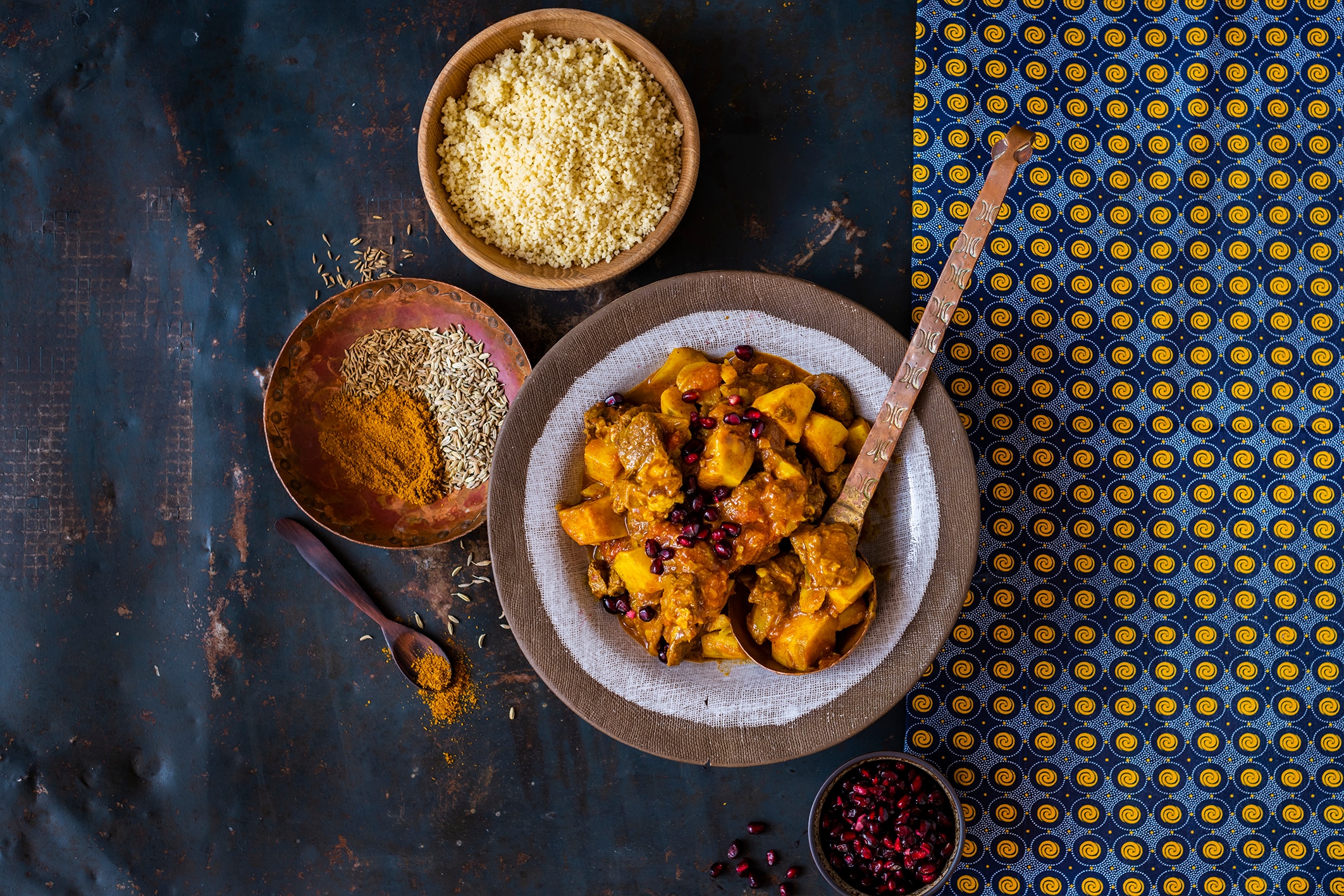
How to Save Curry that’s Too Watery
A proper curry sauce should be rich, thick, and able to coat rice and vegetables. A watery curry recipe often looks unfinished and less appetising.
Solution
Mix corn flour with water to create a paste, then stir it into the pot. Allow the curry sauce to simmer until it thickens into a creamy consistency.
How to Save Curry that Tastes Bitter
A bitter curry is usually caused by burnt garlic, overcooked spices, or too much fenugreek. The key to a good curry recipe is slow flavour building.
Solution
Add a pinch of salt to enhance natural sweetness or a small amount of sugar to balance bitterness.
Top Tip
If it becomes too sweet, add a few drops of lemon juice to restore balance.
How to Save Burnt Food
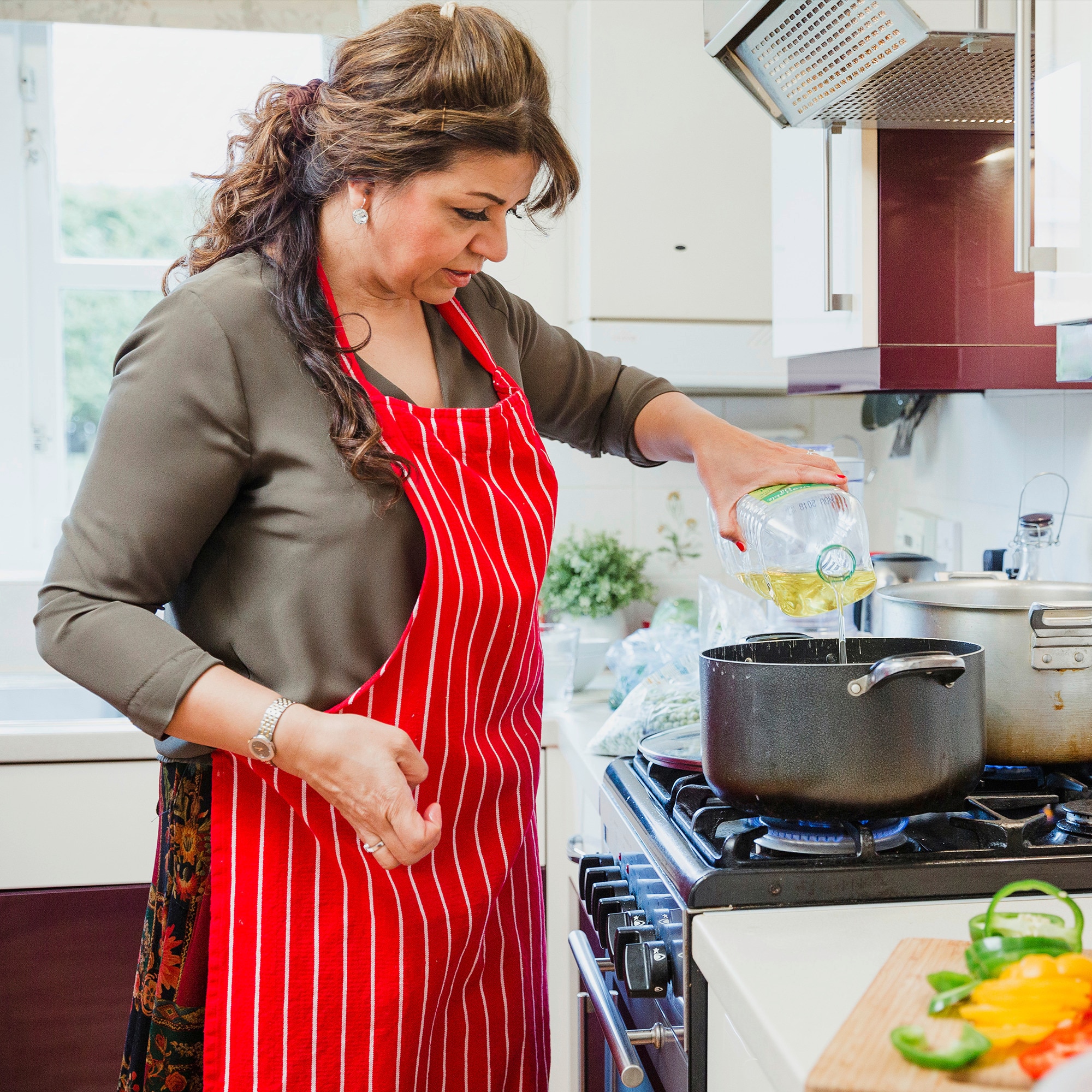
In the hustle and bustle of life it is easy to get distracted and forget about the pot on the stove. You might be multitasking; helping a child with homework while your pot is bubbling away or perhaps you were engrossed in a book or captivated by the TV series you’re watching. If you’ve burnt the food, don’t panic!
Solution:
- Remove the pot from heat immediately
- Transfer food to a clean pot without scraping the burnt bottom
- Add sliced potatoes
- Simmer for 45 minutes
The potatoes absorb burnt flavours and help restore the taste of your curry sauce.
Simple Tips for a Better Curry Every Time
Most mistakes in a curry recipe can be avoided with simple habits. Cook spices slowly, avoid high heat, and always taste as you go.
A well-balanced curry is built in layers — not rushed. Taking your time creates a richer, more flavourful result every time.
Frequently Asked Questions
You can reduce the heat in curry by adding dairy like yoghurt, cream, or cheese. This helps balance the spices and cools down the dish.
Mix corn flour with a little water to form a paste, then stir it into the curry. Let it simmer until the sauce becomes thick and creamy.
Curry can taste bitter if spices or garlic are burnt or if too much fenugreek is used. Add a pinch of salt or a little sugar to balance the flavour.
Remove the food from the heat, transfer it to a clean pot without scraping the burnt layer, and add sliced potatoes to absorb the burnt taste while simmering.
Yes. Cook spices slowly to build flavour, avoid high heat burning, and taste as you go to balance seasoning early.

Related Articles

© Unilever {{dynamicYear}}