Skip to:

How To Cook With Pumpkin Leaves
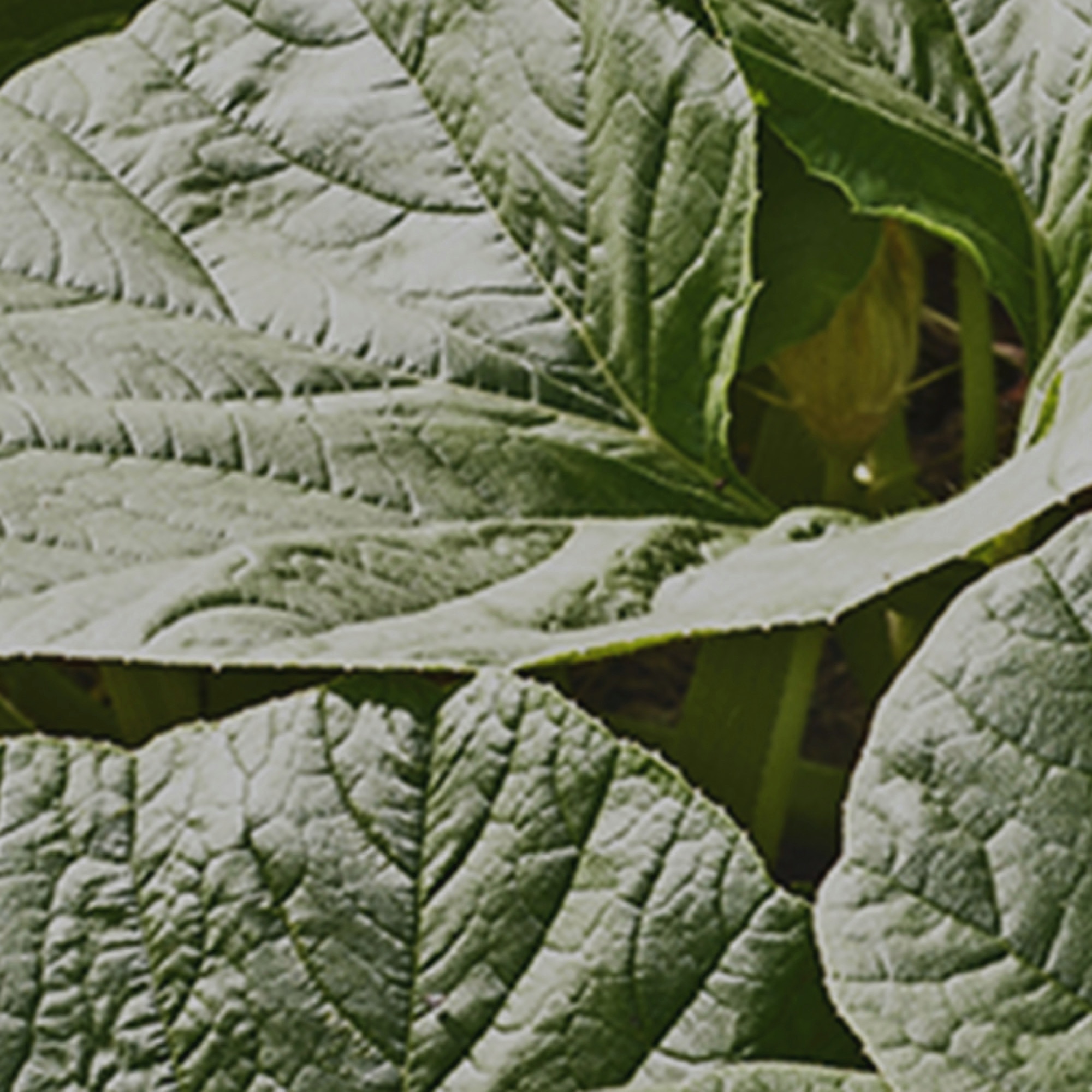
Many people who grew up in South Africa’s rural areas will remember a sprawling patch of pumpkins behind the house, and the excitement of picking a big fat pumpkin and carrying it triumphantly to the kitchen. Often, though, pumpkin leaves were left behind to wilt, except by those clever grannies who always saved them for use in soup and stew recipes.
Pumpkin leaves are eaten fresh and dried in many other parts of Africa, including Zimbabwe and Zambia, and they’re particularly popular in West African countries, where the leaves of the fluted pumpkin are a treasured crop most often used in soups and stews.
Home-grown ingredients and other heritage foods so beloved by earlier generations are receiving renewed attention now, and that’s one of the reasons why pumpkin leaves are one of the star ingredients in our list of planet-friendly Future 50 Foods. But not the only reason: pumpkin leaves are also very nutritious - they’re a good source of iron and Vitamin K, low in calories, and high in dietary fibre.
They’re delicious too, and taste like a fresh and crunchy cross between asparagus, broccoli and spinach.
Step-by-Step: How to Prepare and Cook Pumpkin Leaves
If you have access to a friendly farmer, or you grow your own pumpkins, here’s how you can use these healthy greens in your kitchen:
- When they’re very young and tender, tiny pumpkin leaves can be eaten fresh in salads. Try combining them with roasted pumpkin cubes, fresh pumpkin flowers (another Future 50 food!), toasted pumpkin seeds and feta cheese for a nutrient-packed pumpkin fiesta!
- When the leaves mature, it’s best to cook them, which brings out a lovely sweetness. Choose the smallest leaves at the tips of the vines and wash them very well to remove any grit.
- Now you’ll need to prepare the pumpkin leaves by removing the tiny ‘spines’ or hairs that grow on the stalks and the backs of the leaves. Here’s how: pinch the cut end of the stalk and peel away the fibres one by one. Now do the same with the small ‘veins’ on the backs of the leaves, until you’ve stripped away all the little spines.
- Treat pumpkin leaves in the way you would prepare spinach or Swiss chard: they can be chopped or shredded, then added to soups, sauces, stews and other sishebos, and they’re also great in crunchy fresh stir-fries.
Ready to eat pumpkin leaves? Try our new recipes! With so many Knorr recipes to choose from, you’ll never have to wonder what’s for dinner.
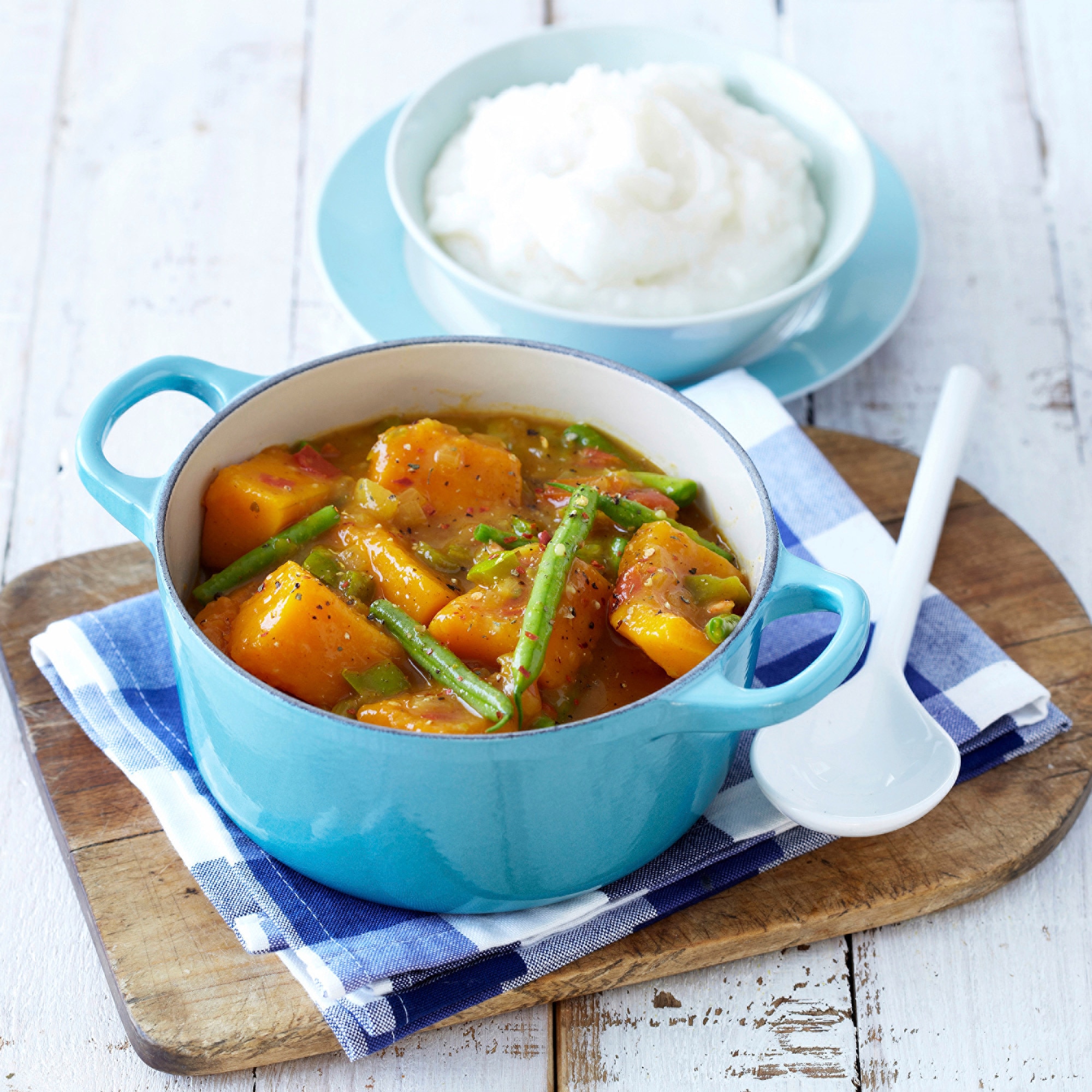
One-Pan Pumpkin Leaf Sishebo
Roasted Tomato and Pumpkin Leaf Rigatoni
Mushroom and Pumpkin Leaf Ramen
Frequently Asked Questions
1. Are pumpkin leaves safe to eat?
Yes, pumpkin leaves are completely safe to eat and are widely consumed across Africa and other parts of the world. Both young and mature leaves are edible — younger leaves can be eaten raw in salads, while more mature leaves are best cooked to bring out their natural sweetness.
2. What do pumpkin leaves taste like?
Pumpkin leaves have a fresh, slightly earthy flavour that is often described as a cross between asparagus, broccoli and spinach. When cooked, they develop a pleasant sweetness.
3. What is the best way to cook pumpkin leaves?
Pumpkin leaves can be treated much like spinach or Swiss chard. After removing the fibrous spines from the stalks and veins, you can chop or shred the leaves and add them to soups, stews, stir-fries, sauces, or sishebos. They cook quickly, so they're best added towards the end of cooking.
4. Do you need to remove the spines from pumpkin leaves before cooking?
Yes. The stalks and backs of mature pumpkin leaves have small hair-like spines or fibres that should be removed before eating. To do this, pinch the cut end of the stalk and peel away the fibres one by one. Repeat this process along the leaf veins until all the spines are removed.
5. Where can I buy pumpkin leaves?
Pumpkin leaves are not widely available in mainstream supermarkets, but you may find them at African grocery stores, farmers' markets, or from local growers. The easiest way to access them regularly is to grow your own pumpkin plants — the leaves can be harvested throughout the growing season.
6. Can you eat pumpkin leaves raw?
Yes, but only when they are very young and tender. Small, fresh pumpkin leaves can be added to salads and pair beautifully with roasted pumpkin, pumpkin seeds, pumpkin flowers and feta cheese. Mature leaves should be cooked before eating.
7. Are pumpkin leaves a good source of nutrients?
Pumpkin leaves are highly nutritious. They are a good source of iron and Vitamin K, low in calories, and high in dietary fibre, making them an excellent addition to a balanced, plant-forward diet.
Related Articles

© Unilever {{dynamicYear}}